Amelie Hayward-Lewis
film portfolio
Snapshots from my work


'The way it never was'
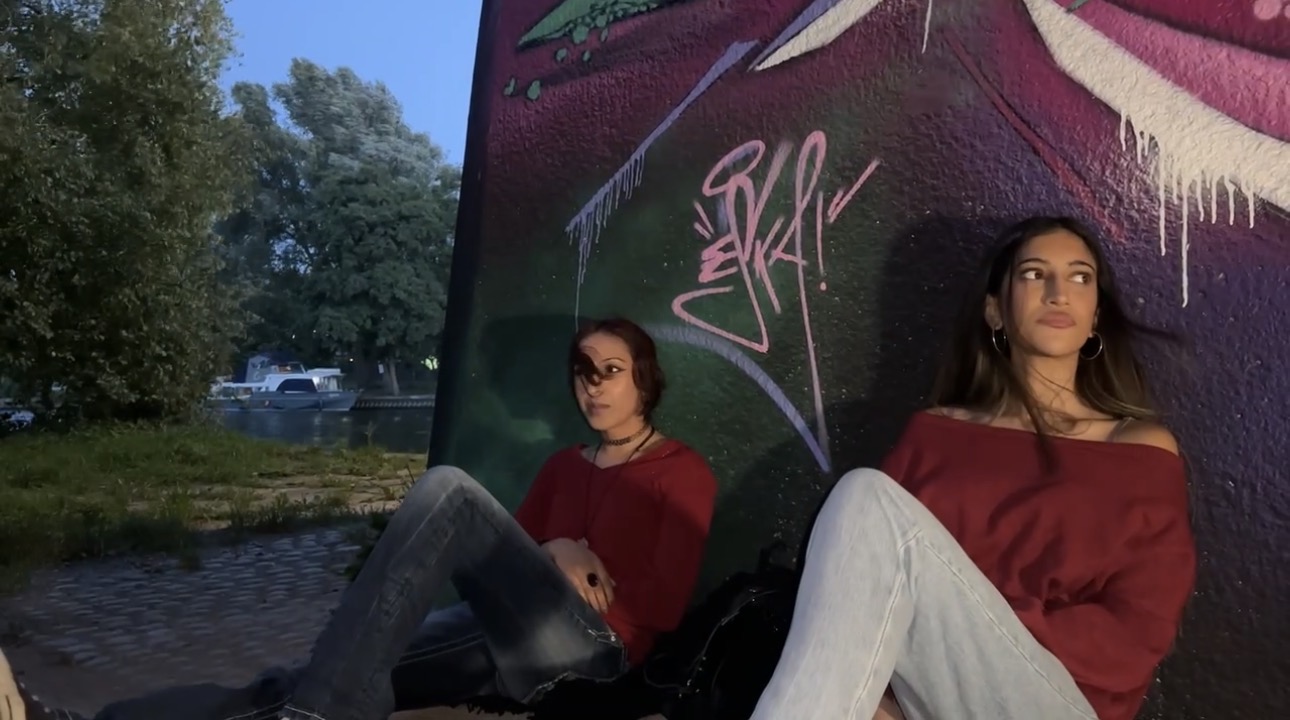
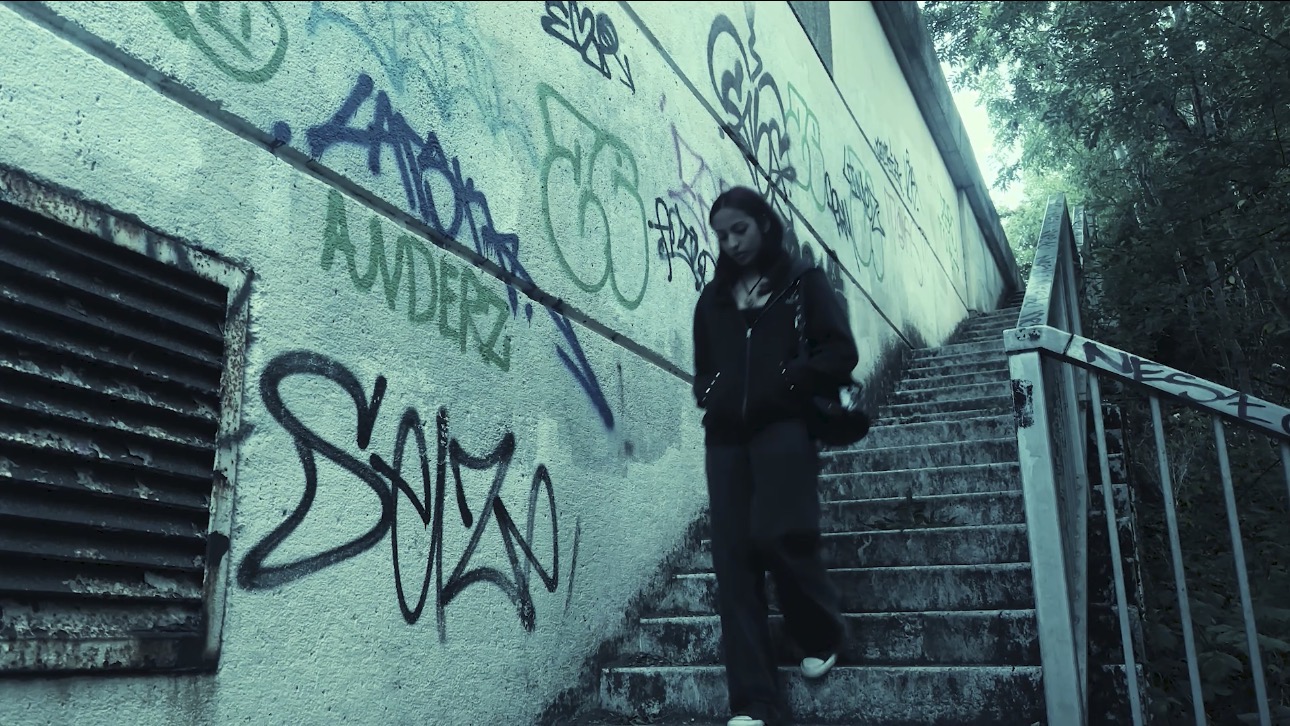
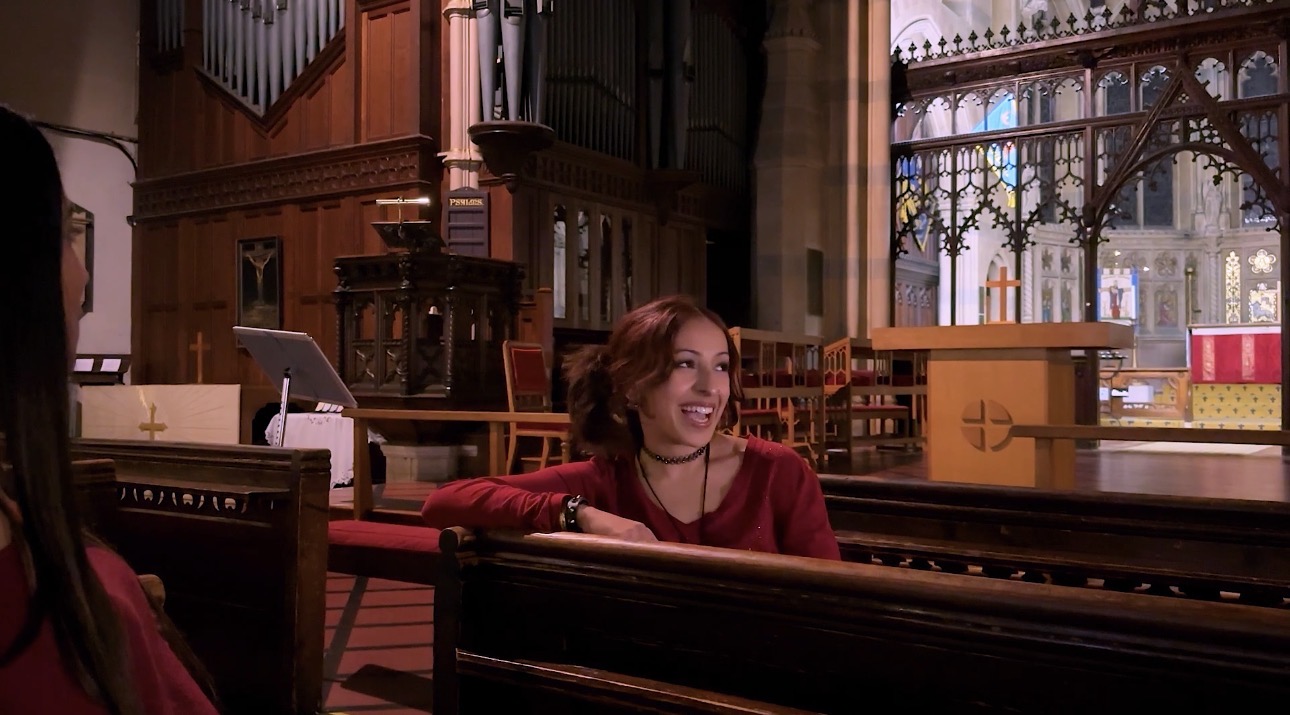
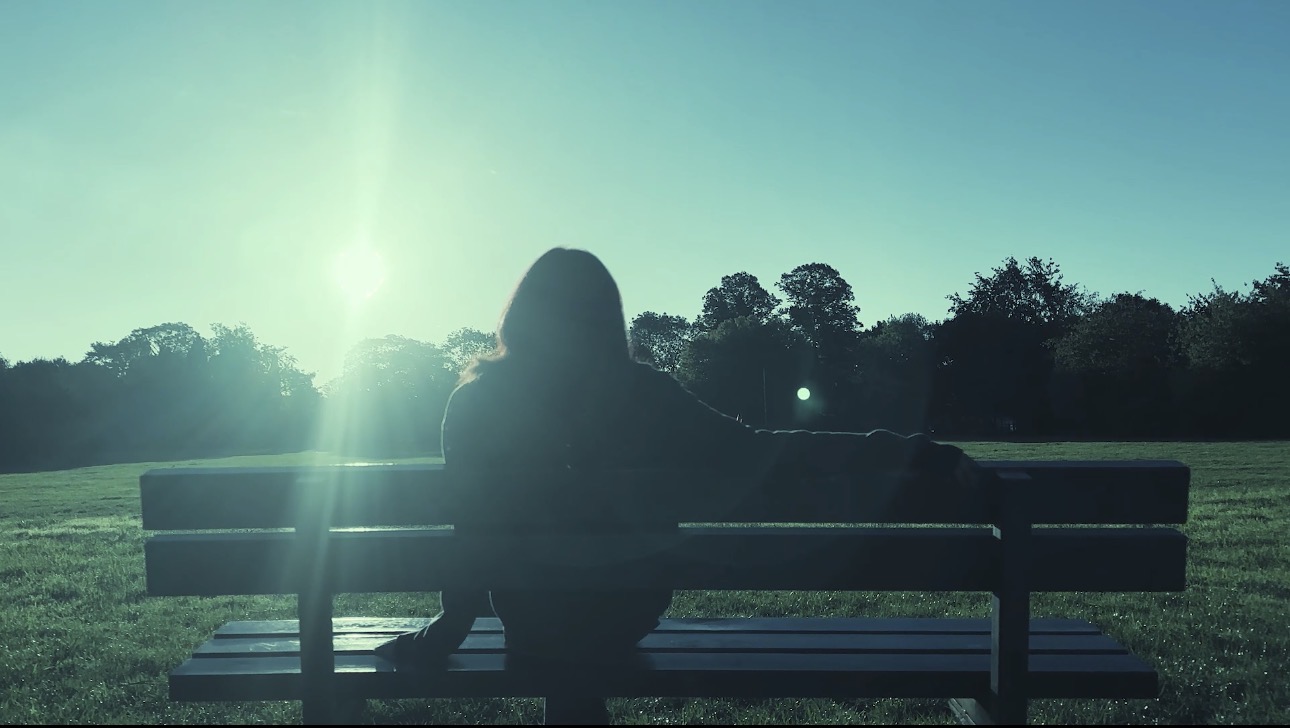
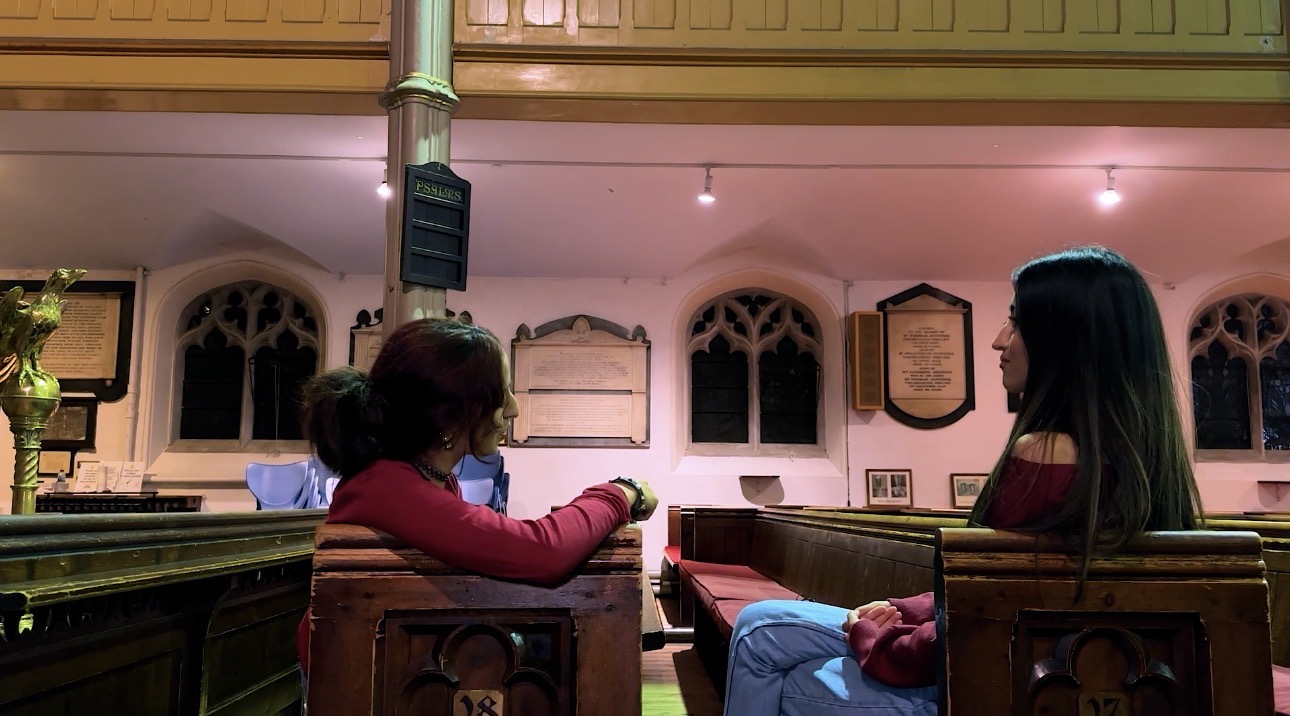
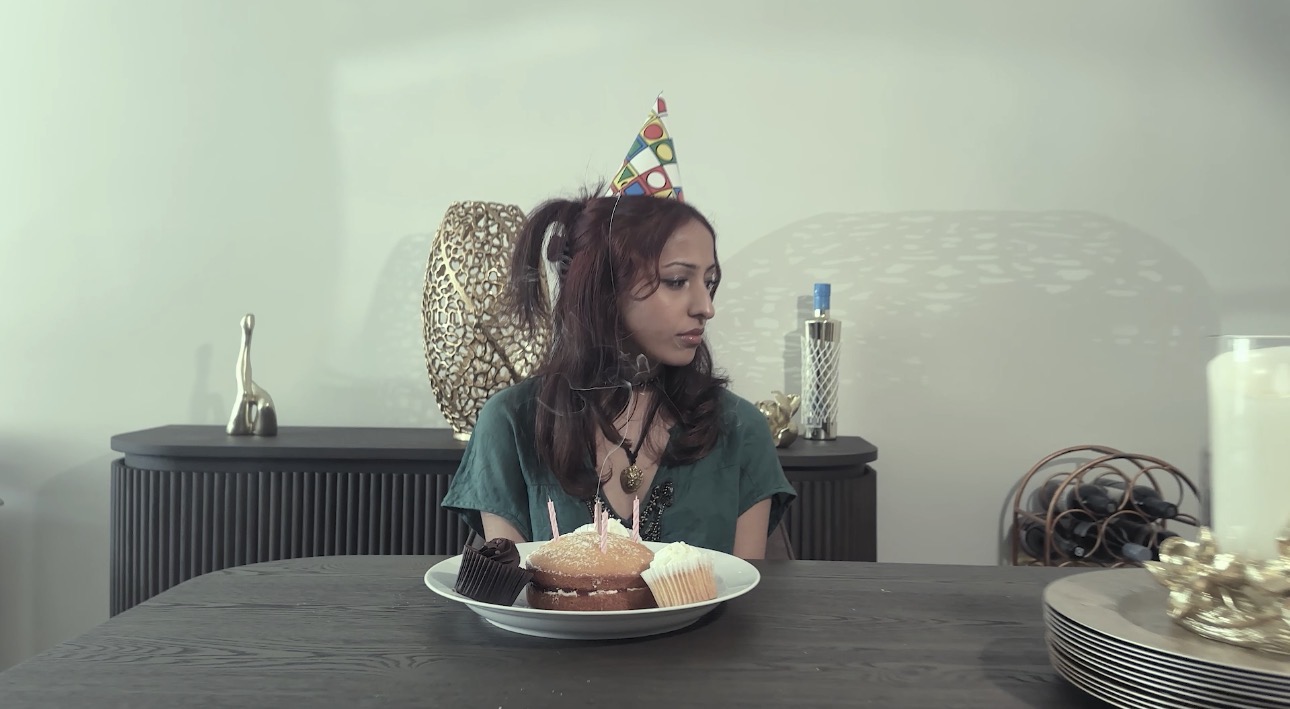
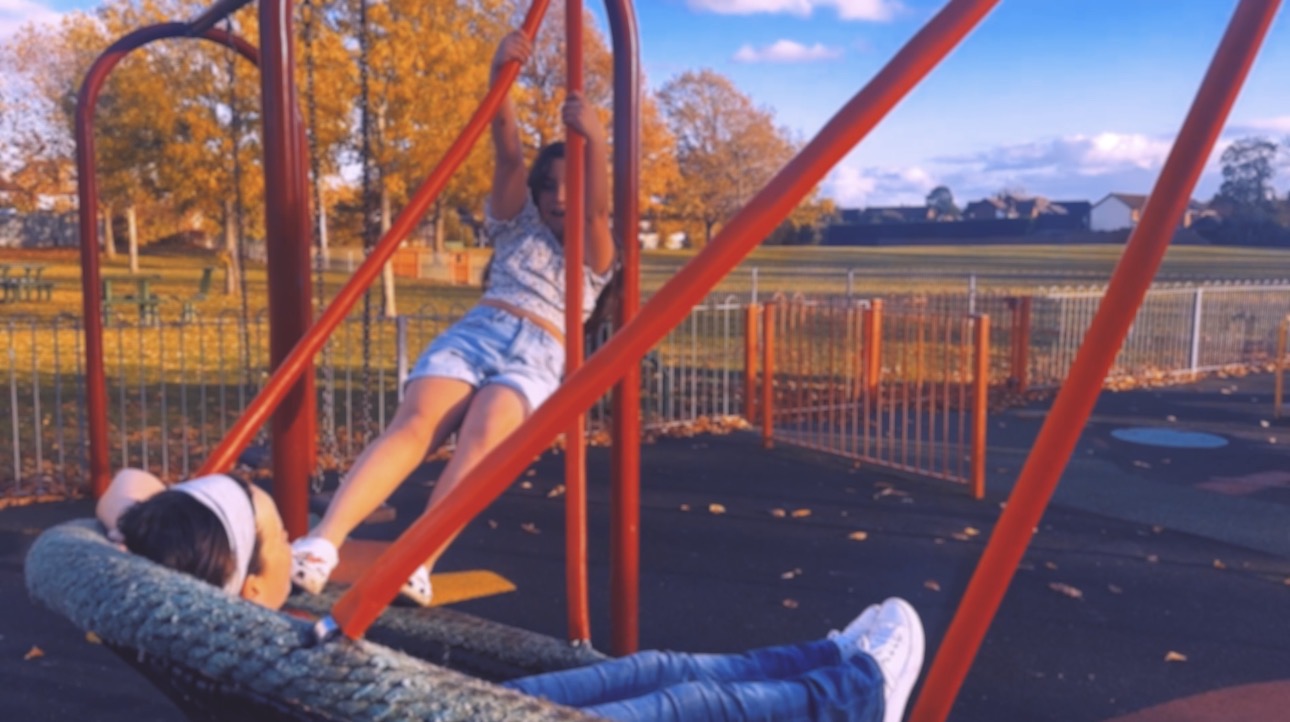
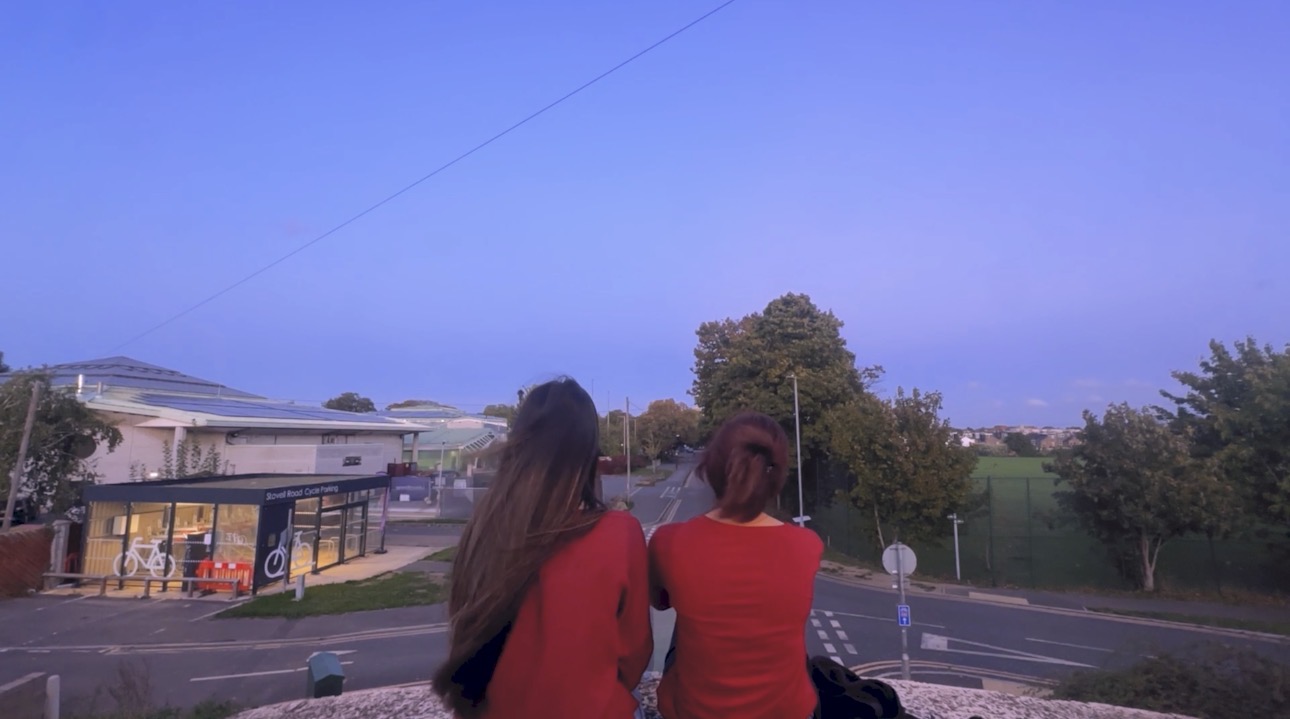
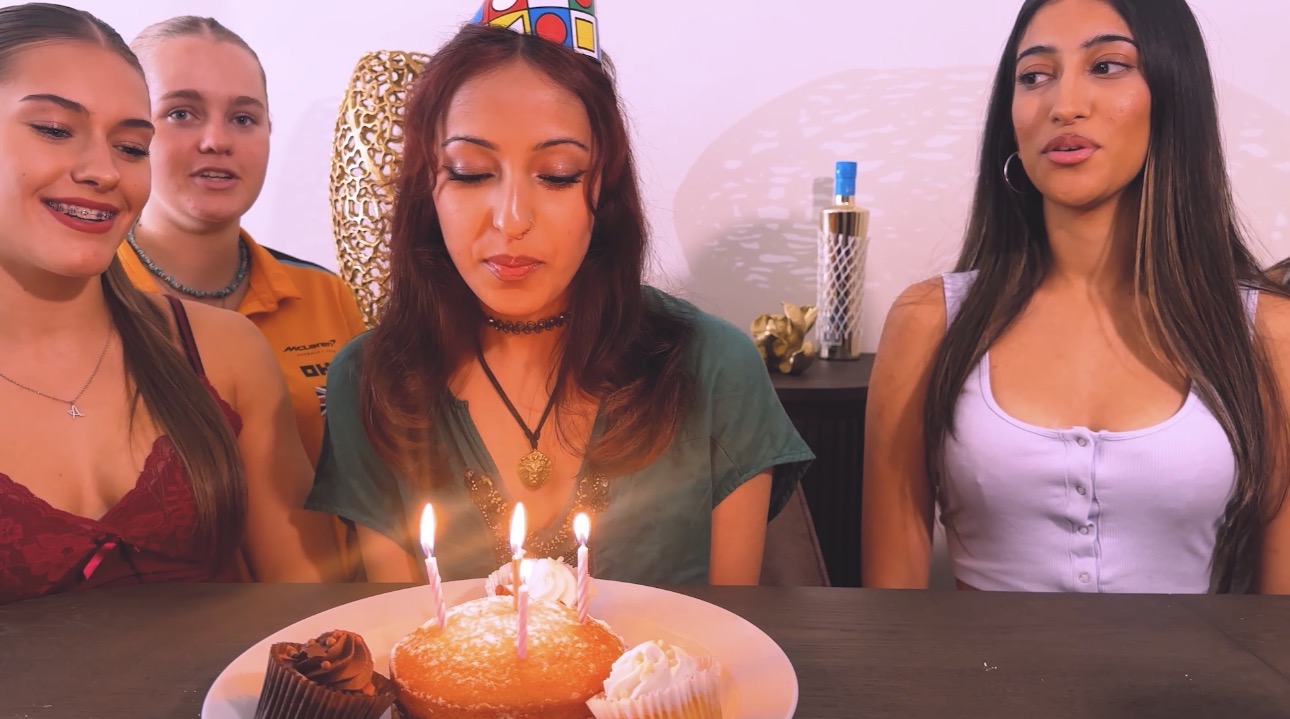
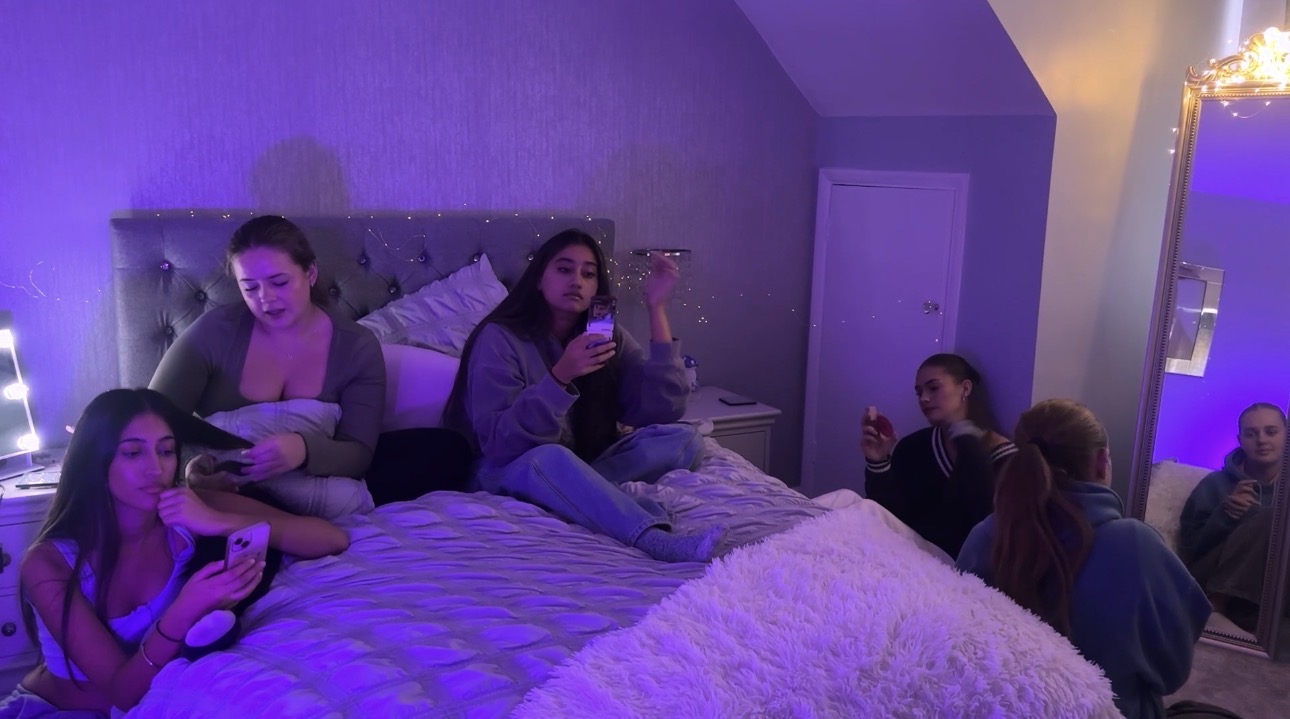
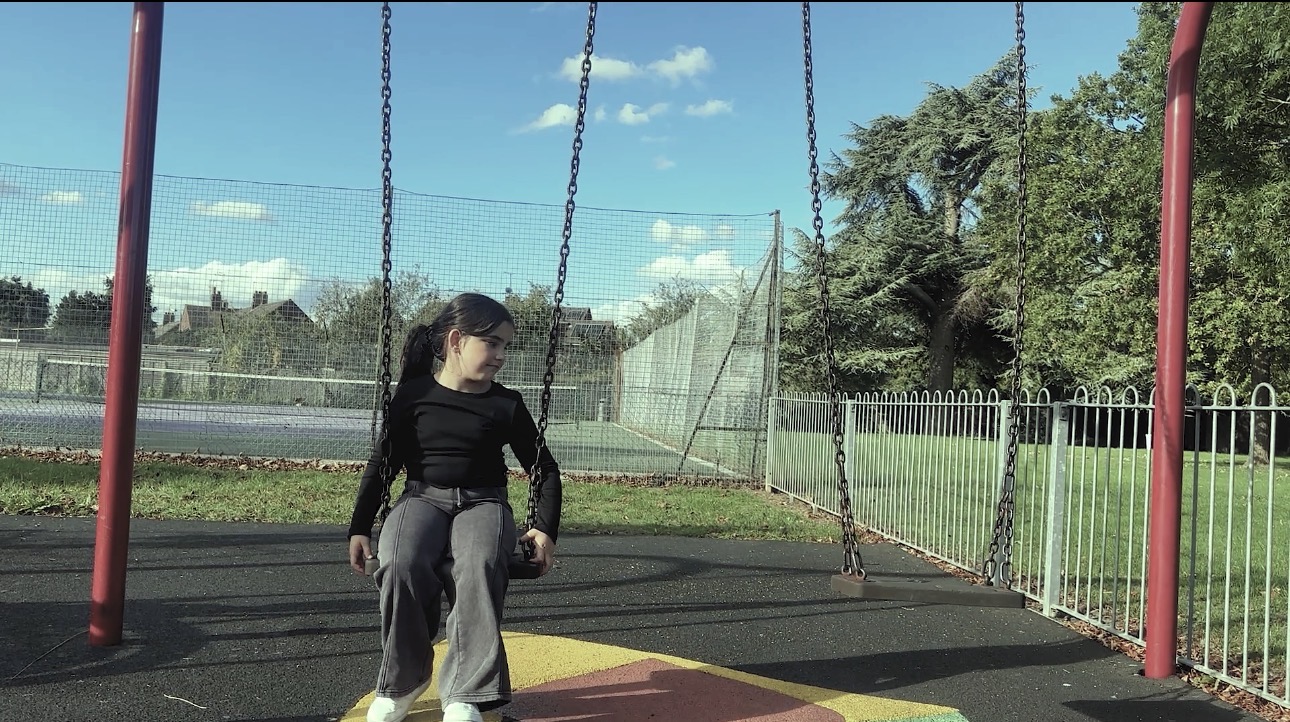
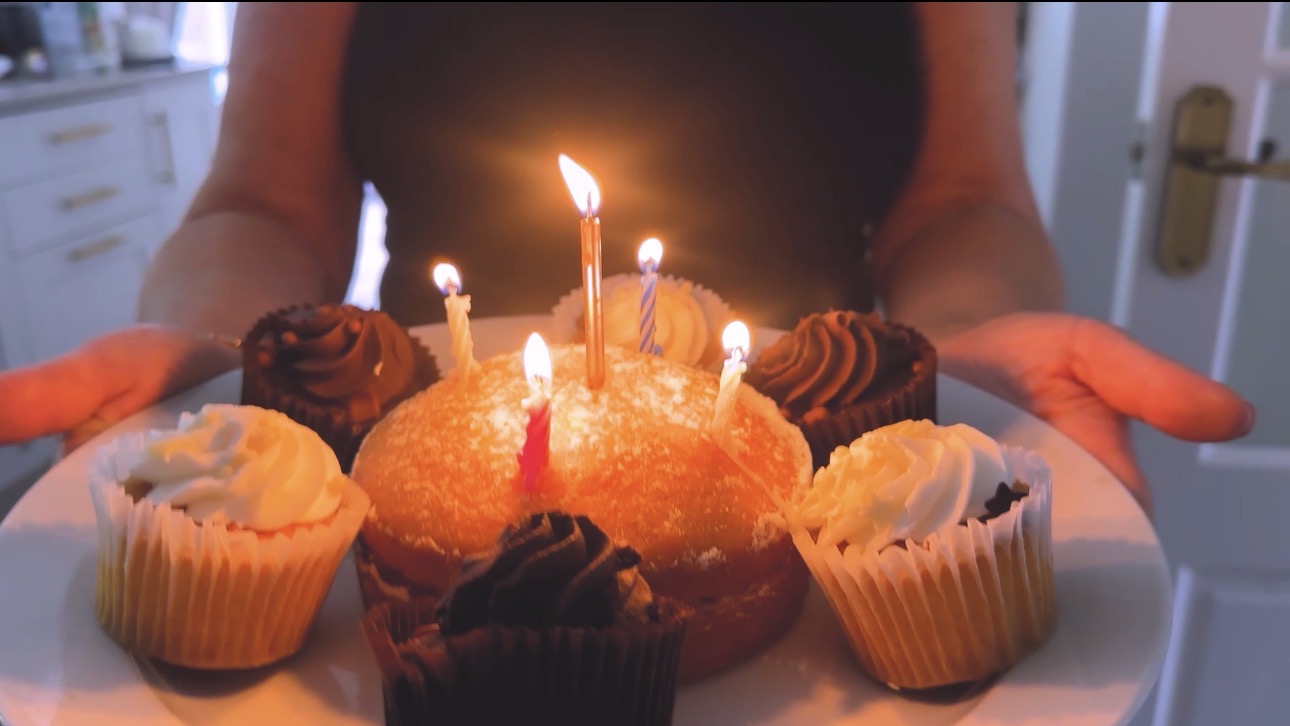
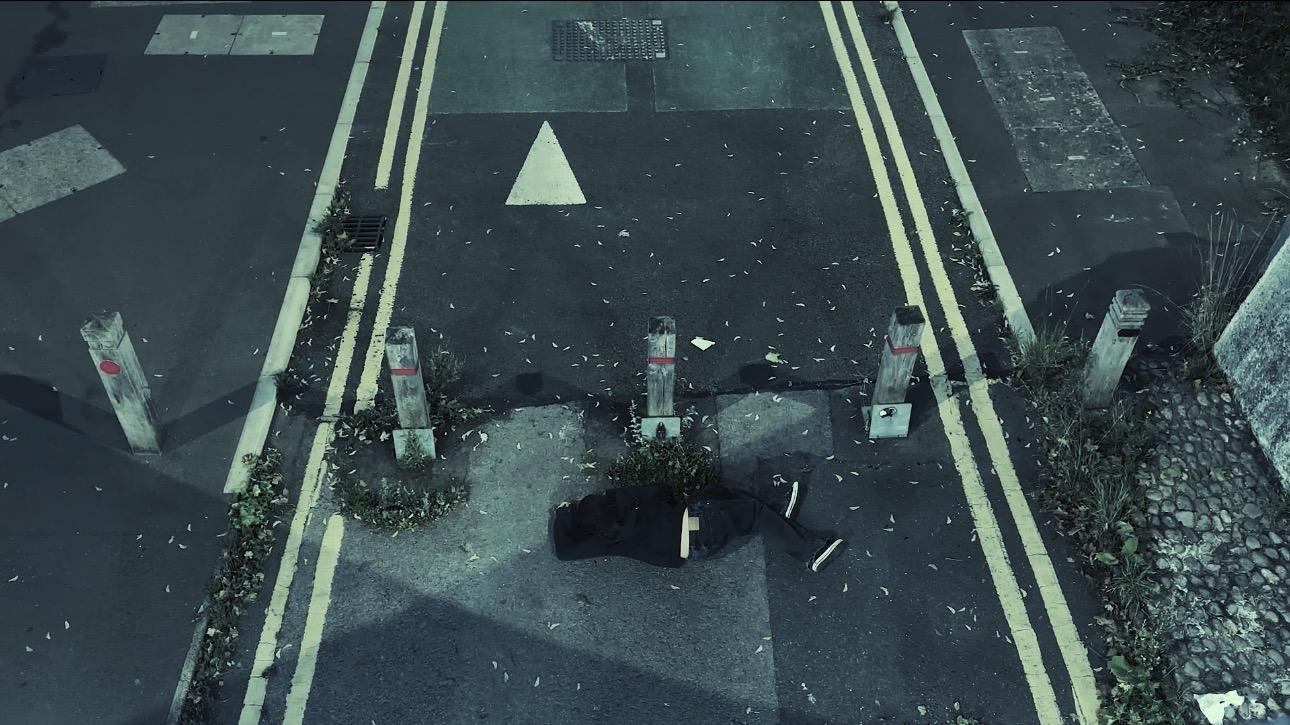
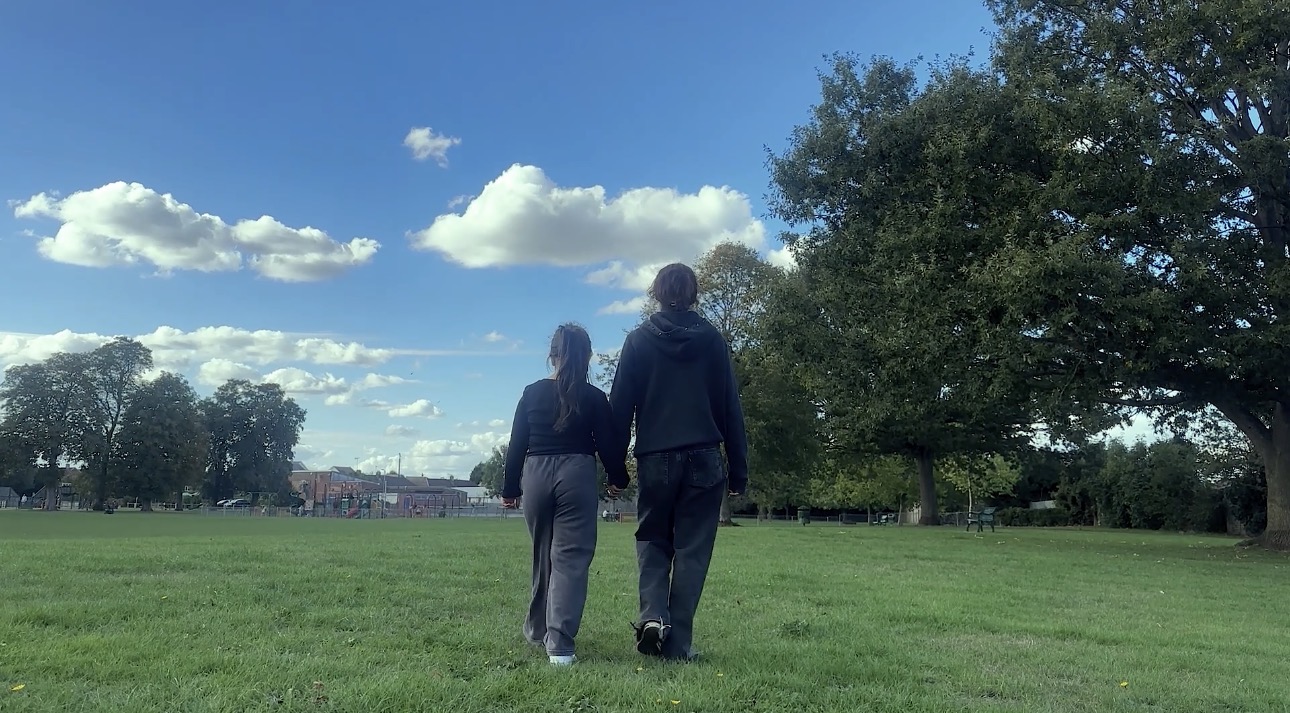
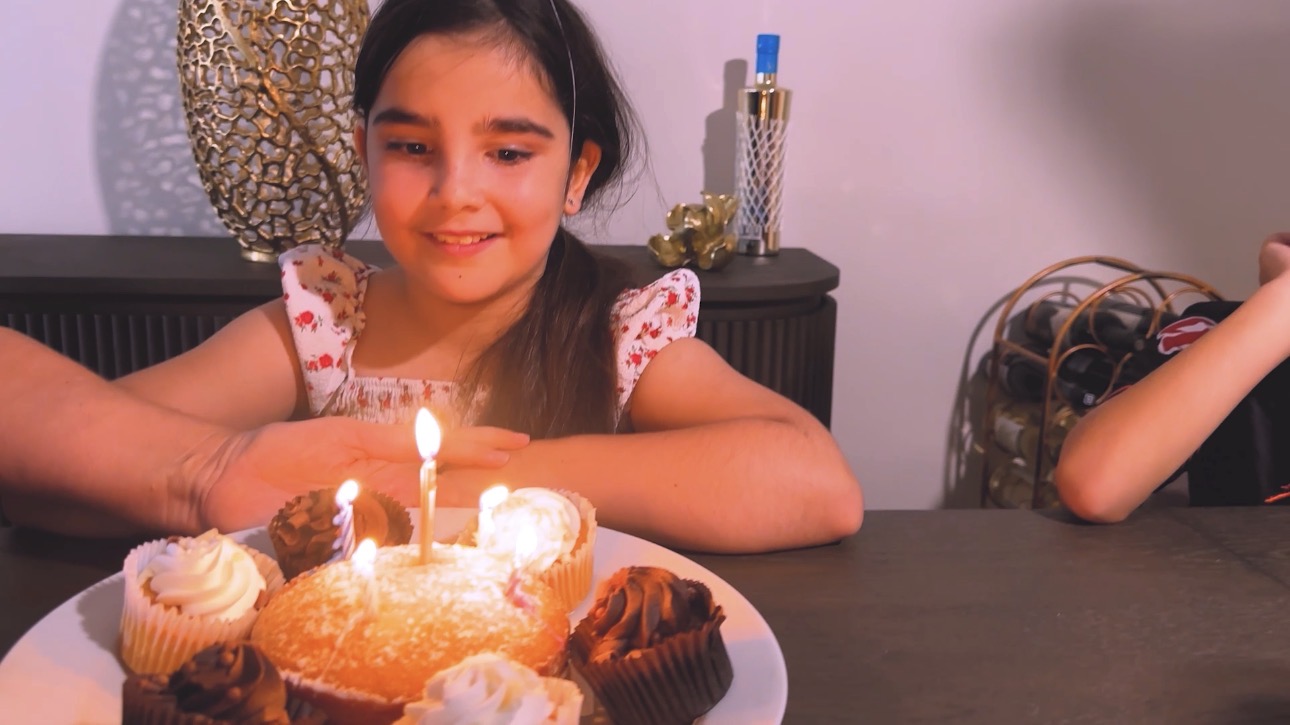
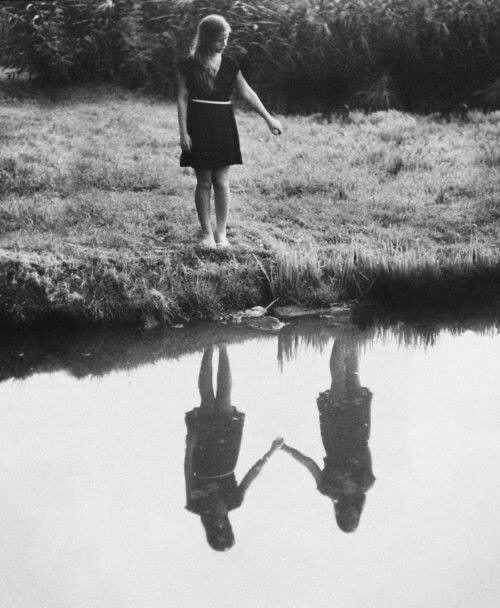
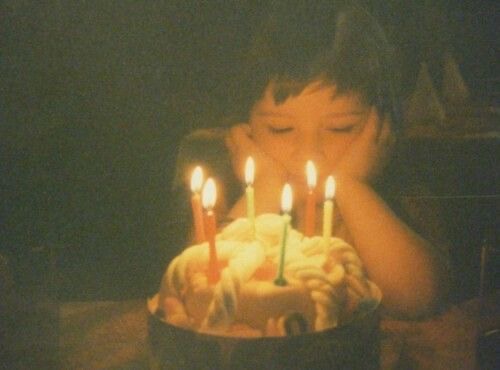
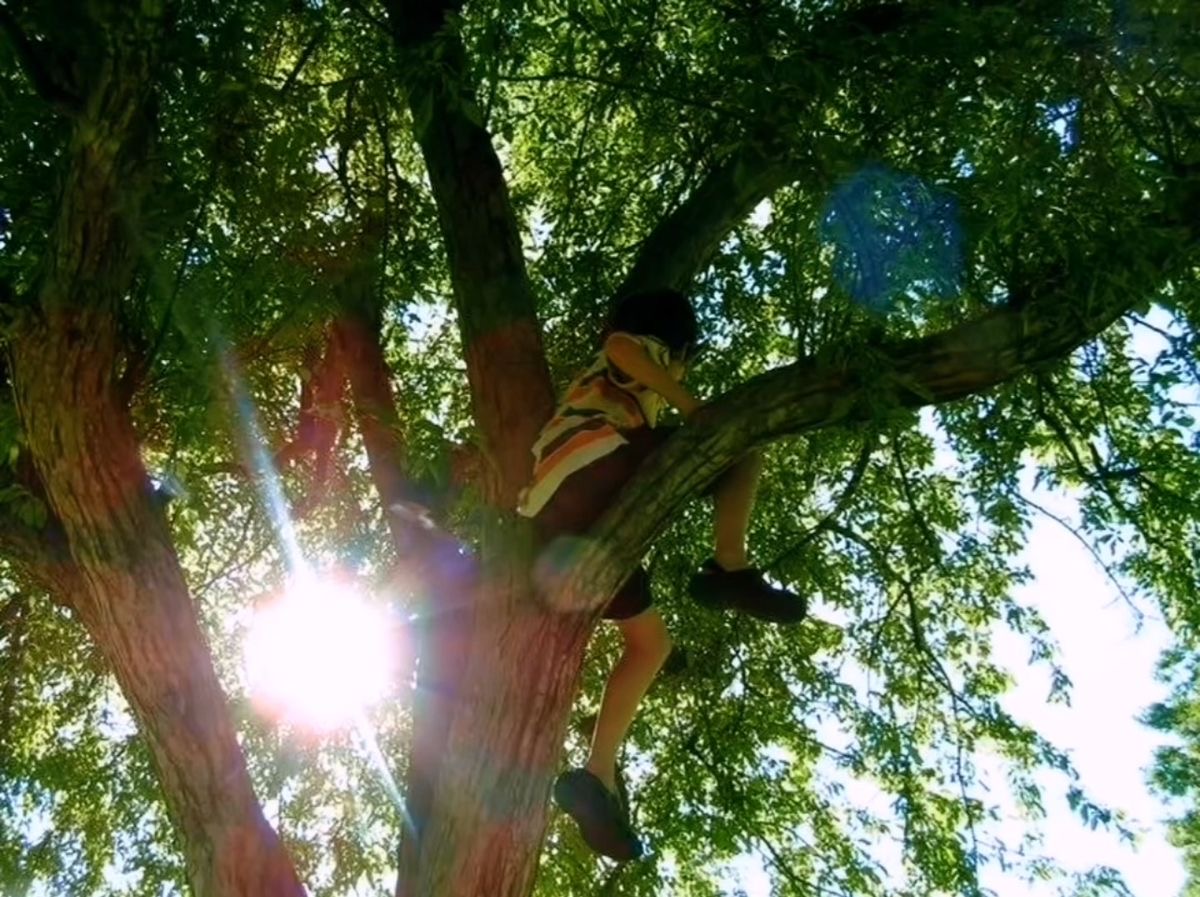
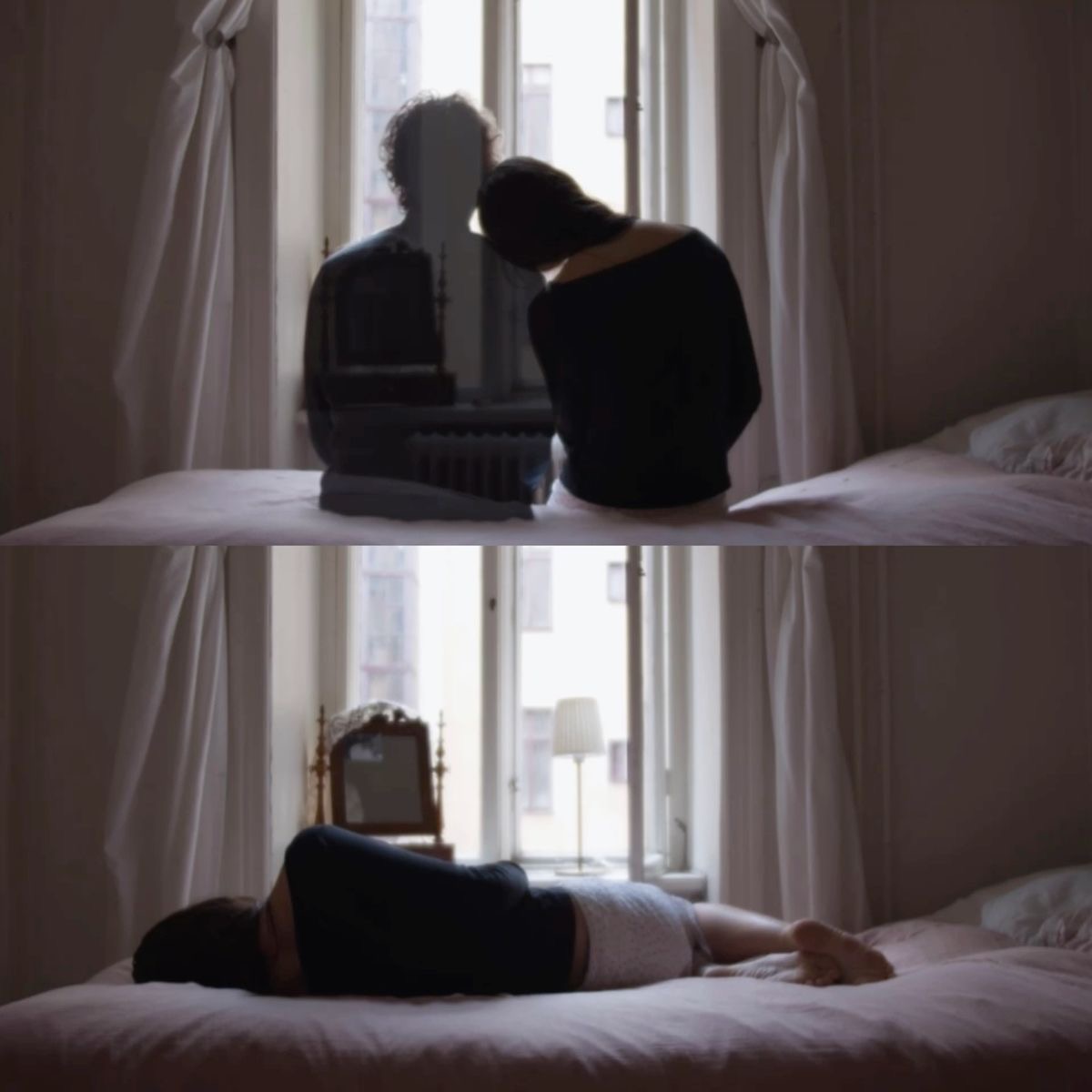
My short film follows a young girl who has died and appears to return to her memories. At first, these moments are joyful as she plays with a friend, laughing and experiencing a sense of belonging. However, as the narrative progresses, subtle inconsistencies begin to emerge. It is eventually revealed that these moments are not her genuine memories, but rather a constructed façade. In reality, she has lived her life experiencing isolation, existing on the sidelines and constantly imagining friendships as a way to cope with her loneliness.
My Love For Film
My interest within film began with the appreciation and love for storytelling. From an early age, I was drawn to writing and creating stories, developing my own characters and imagining new worlds which explored emotions that felt difficult to express in everyday life. However, I began to feel limited by the page alone after being so heavily inspired and immersed by my favourite films on the big screen. This led me to aspire to create my own visual work that could evoke the same sense of inspiration and emotional connection that I had experienced.
Directors such as Damien Chazelle, Alfred Hitchcock and David Lynch have played a significant role in influencing my love for visual storytelling. For example, I find Lynch's work particularly inspiring due to how he challenges the conventional narrative structures and his films often blur the boundaries between reality and illusion, I believe this resonates in my own own work.
Planning
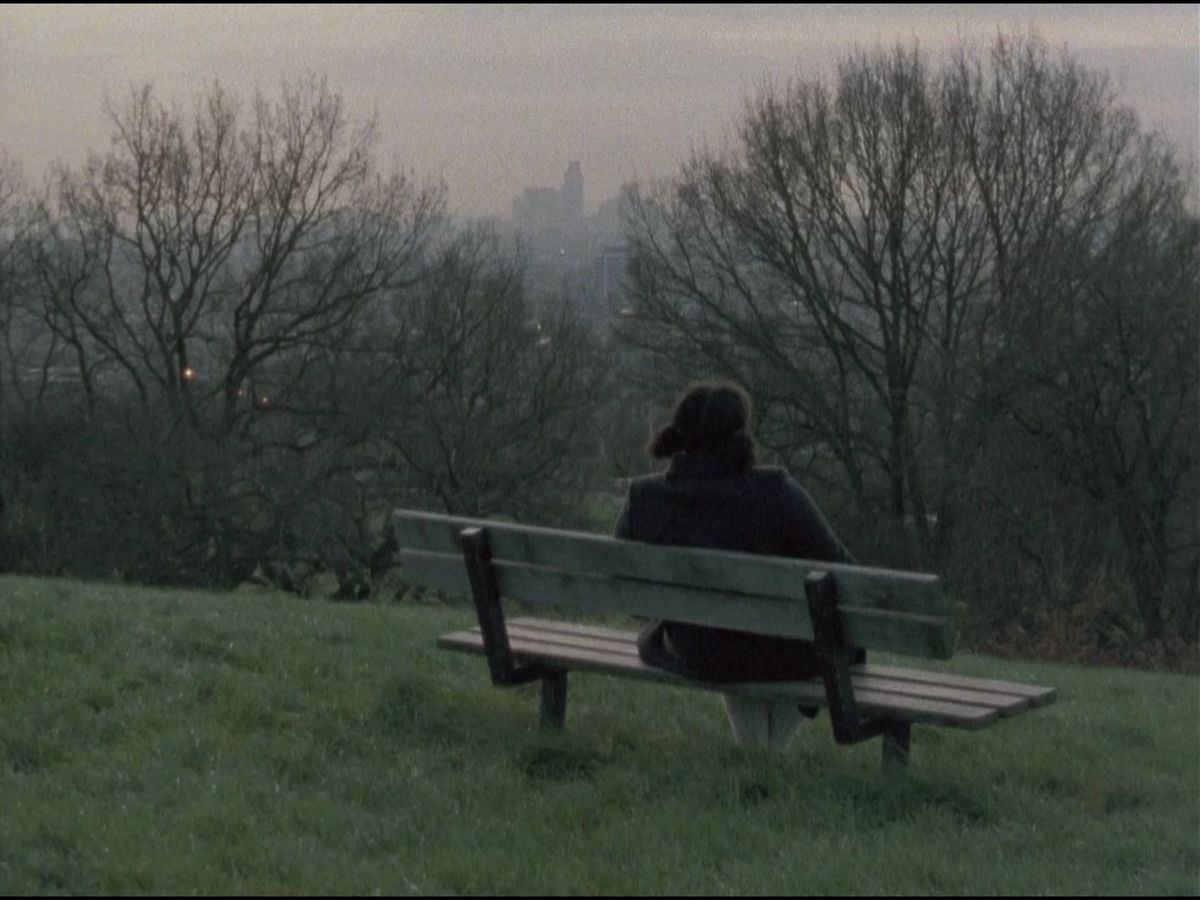
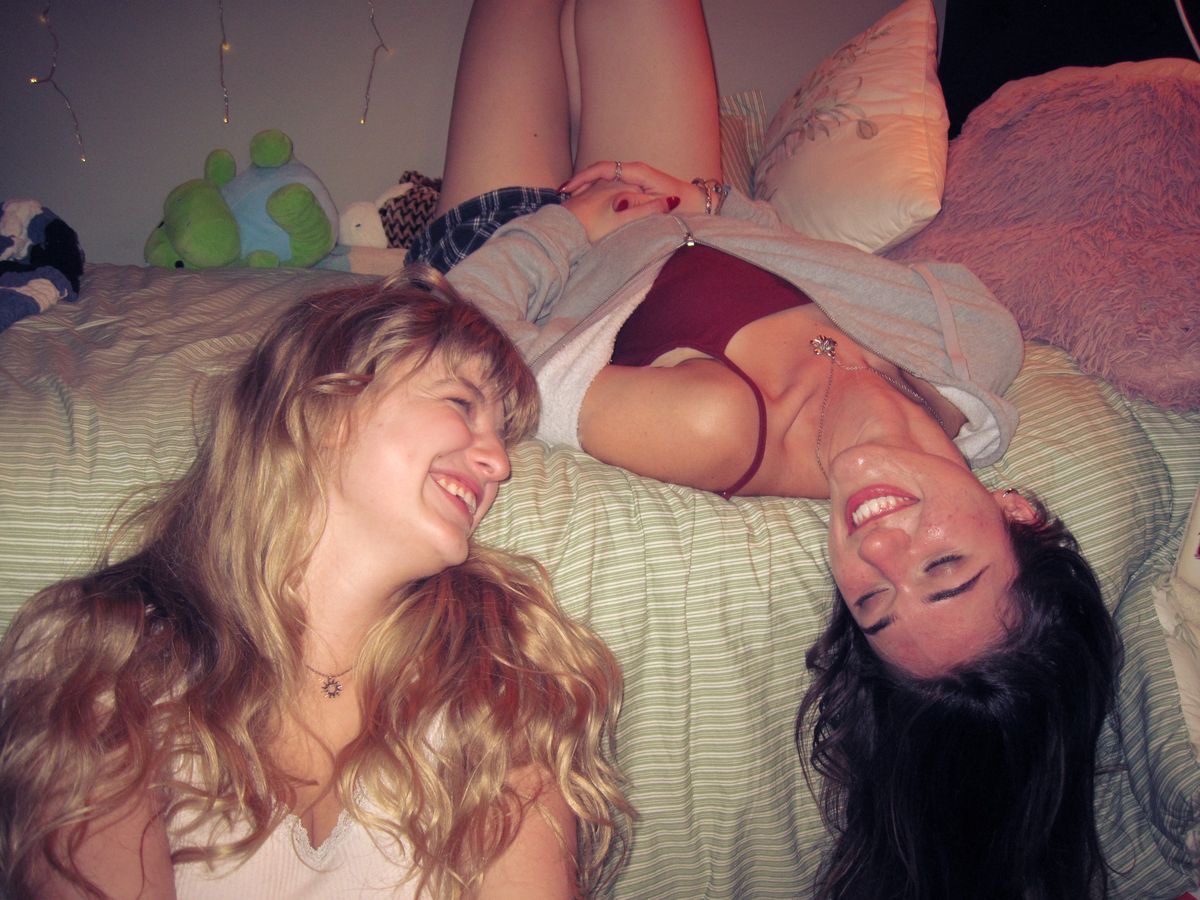
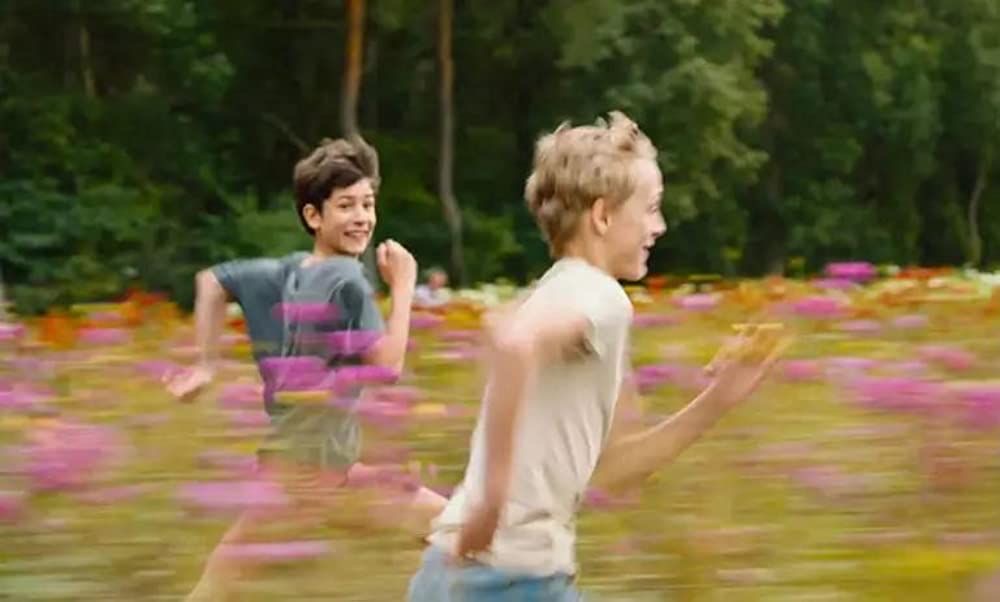
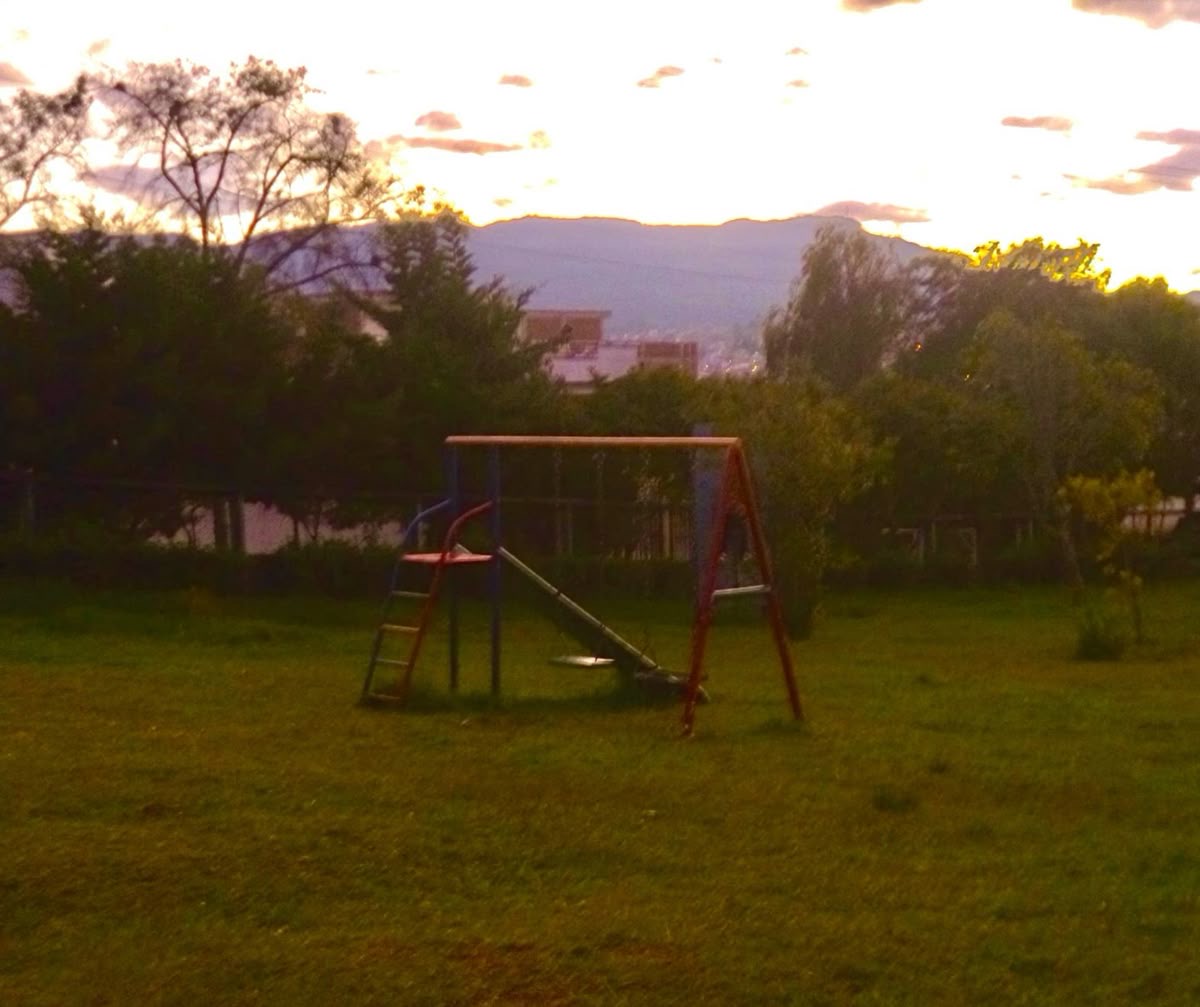
When planning my short film, my creative process began with a broad mind map of narrative ideas. This allowed me to explore and branch off many different themes and subjects, eventually leading me to expand on the concept of memory, isolation, identity, and perception. Once I had identified this central concept, I refined it further by building connections between the narrative, character, and visual style. Alongside this, I developed a colour palette and a mood board to guide the aesthetic of the film and to ensure the visuals reinforced the emotional journey of the story. For example, the desaturated, darker, and cold green tones were initially associated with the main character’s reality, whereas the brighter, saturated, and purple tones helped portray her imagination.


script
Once I had established the themes and aesthetic of my work, I wrote a script, carefully considering both structure and visual storytelling. However, I chose not to focus heavily on dialogue as I felt the protagonist should not be defined through it, but instead her interactions or lack thereof, with others. The ‘friends’ in her memories function more as projections from her mind rather than fully realised characters. This reinforces the idea that they are only products of her imagination.